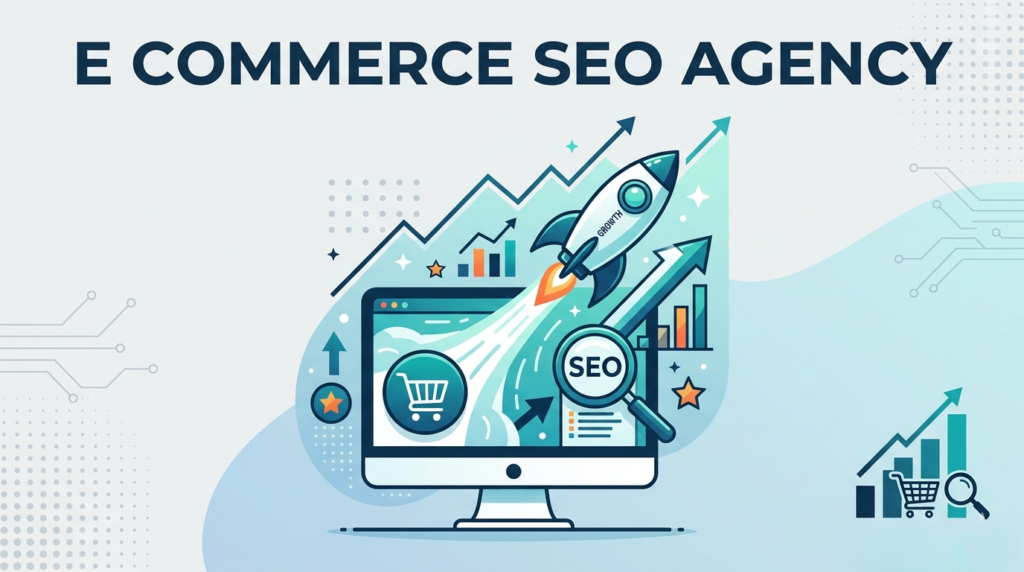
If you’ve ever launched an online store and expected traffic to just “show up,” you already know how quickly reality kicks in. It doesn’t matter how good your products are or how polished your website looks, if people can’t find you on Google, growth becomes painfully slow. That’s usually the point where businesses start looking into SEO. And not just basic SEO, but a proper e commerce SEO agency that actually understands how online stores grow, not just websites in general. Because ecommerce isn’t like blogging or service websites. It’s messy, competitive, and constantly changing.
Why Most Online Stores Struggle With Visibility
Here’s the truth most people don’t hear early enough: the internet is crowded, and search engines don’t “reward” you just for existing.
You’re competing with big brands, marketplaces, and stores that have been building authority for years. Even if your product is better, Google doesn’t automatically know that.
A lot of store owners try paid ads first and that works for a while but the second you stop spending, everything slows down. SEO is different. It builds momentum over time, and once it starts working, it doesn’t just disappear overnight.
That’s why so many businesses eventually move toward organic search as a long-term strategy.
What an E Commerce SEO Agency Actually Brings to the Table
A good e commerce SEO agency doesn’t just “optimize your site.” That’s an oversimplified way of putting it.
What they really do is figure out how your customers search, what they care about, and how your store can show up at the exact moment they’re ready to buy.
That includes fixing technical issues that silently hurt rankings, improving product pages so they actually convert, and building content that pulls in people who aren’t ready to buy yet but will be soon.
At agencies like Hivenexis, the focus usually goes beyond rankings. Rankings are nice, but they don’t pay the bills. Sales do. So everything is built around making sure traffic actually turns into revenue, not just numbers on a dashboard.
Why SEO Has Become Non-Negotiable for Ecommerce
A few years ago, you could get away with relying heavily on ads or social media. That’s not really the case anymore.
Ad costs have gone up. Competition has increased. And users are more skeptical than ever.
So when someone searches for something like “best wireless headphones under budget,” they’re not just casually browsing. They’re close to making a decision. If your store appears there, you’re already halfway to a sale.
That’s the real power of SEO: it meets people at the moment of intent, not interruption.
What Actually Makes Ecommerce SEO Work
There’s no single trick that makes SEO work. It’s more like a system where everything has to line up properly.
First, your website has to be technically solid. If it’s slow, confusing, or poorly structured, search engines will struggle to rank it properly, no matter how good your content is.
Then comes keyword understanding but not in the old-school way. It’s not about stuffing terms everywhere. It’s about understanding how real buyers search. Someone typing “cheap shoes” is in a different mindset than someone searching for “best running shoes for long-distance comfort.”
Product pages matter more than most people think. A lot of ecommerce stores treat them as just listings, but in reality, they’re your biggest conversion opportunity. If those pages aren’t optimized, you’re basically leaving money on the table.
Content also plays a bigger role than most store owners expect. Blog posts, guides, and comparisons might not generate instant sales, but they bring in traffic that builds trust over time. And trust is what leads to purchases.
Where Most Ecommerce Stores Go Wrong
If you’ve ever wondered why your store isn’t ranking, it’s usually not one big issue, it’s a bunch of small ones adding up.
One of the most common problems is duplicate content. Many stores just copy product descriptions from manufacturers. The issue is, so is everyone else. That means your pages don’t stand out at all.
Another issue is ignoring the technical side completely. Broken links, messy site structure, and slow pages quietly kill your performance without you even realizing it.
And then there’s keyword targeting. A lot of stores go after the biggest keywords thinking that’s the fastest path to traffic. In reality, those are often the hardest to rank for and not always the most profitable.
Choosing the Right SEO Partner Actually Matters
Not all SEO agencies understand ecommerce properly. And that difference shows quickly.
A good partner will take time to understand your products, your audience, and your margins, not just your rankings.
They should be able to explain what they’re doing in simple terms. If everything sounds overly complicated or vague, that’s usually not a good sign.
More importantly, they should care about business results. Traffic is meaningless if it doesn’t turn into sales.
That’s why businesses that work with teams like Hivenexis usually look for alignment more than hype. It’s not about flashy promises, it’s about steady, measurable growth.
What SEO Actually Looks Like When It Starts Working
One thing people don’t expect is how gradual SEO feels in the beginning.
At first, nothing dramatic happened. You might see small improvements in rankings or traffic. Then, over time, things start compounding.
Pages that didn’t rank before start showing up. Old content begins bringing in traffic. Product pages start converting more consistently.
And eventually, SEO becomes one of the most reliable traffic sources your store has.
It doesn’t feel like a spike. It feels like stability.
Final Thoughts
At the end of the day, ecommerce success isn’t just about having a good product. It’s about being discoverable at the right time, in the right place.
That’s what SEO really does: it connects demand with your store.
Working with an experienced e commerce SEO isn’t about shortcuts or quick wins. It’s about building something that keeps working in the background while you focus on running your business.
And once it starts working properly, it becomes hard to ignore.
What does an e commerce agency actually do?
They help online stores get found on search engines and improve how well those visitors convert into customers.
How long does SEO take to show results?
It usually takes a few months before things start picking up, but the results build over time and last much longer than ads.
Is SEO better than paid advertising?
They work differently. Ads give quick traffic, SEO builds long-term stability without paying for every click.
Can small stores compete with big brands using SEO?
Yes, especially by focusing on niche keywords and specific product categories where competition is lower.
What should I look for in an SEO agency?
Look for real ecommerce experience, clear communication, and a focus on actual business results, not just rankings.