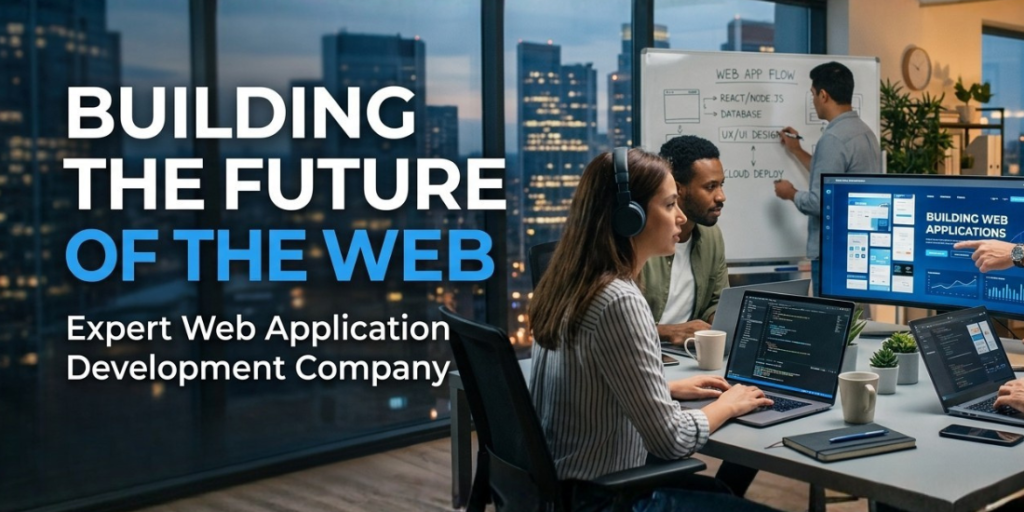
Picking a web application development company sounds simple on paper, but in reality, it’s one of those decisions that can really shape your business in the long run. If the team you choose understands your idea properly, you end up with something solid that grows with you. If they don’t, you’ll probably spend months fixing things that should’ve been right the first time. And honestly, the tricky part is that almost every company looks good at first glance. Nice website, big promises, fancy words. But what actually matters is how they work once the project starts.
Understand What You Actually Want
Before you even start searching for a company, it helps to sit down and really think through your idea. Not in a formal document way, just clarity in your head.
What are you building? Why are you building it? Who is going to use it every day?
A lot of people skip this step and jump straight into hiring developers, and that’s usually where confusion starts. When you’re clear about your goals, conversations with companies become way easier. You’ll instantly know who gets it and who doesn’t.
Even basic things like budget and timeline should be roughly in mind, otherwise every discussion turns into guesswork.
Why Some Businesses End Up Choosing Hive Nexis
Some companies don’t just jump into coding the moment you explain your idea. That makes a huge difference.
For example, Hive Nexis is one of those teams that actually spends time understanding what you’re trying to build instead of rushing into development. They don’t treat every project the same way, which is honestly how it should be.
Every business has different needs. Some are just starting out, some are already scaling, and some are rebuilding broken systems. Their approach focuses more on building something that actually fits your situation instead of forcing a template solution on you.
That’s also why scalability comes up a lot with them — because nobody wants to rebuild everything again after a year or two.
Look at What They’ve Actually Built
This is where things get real.
Forget the fancy words on a website for a second and just look at their past work. Because that’s where the truth is.
If they’ve built apps similar to what you want, that’s already a good sign. But don’t just look at screenshots. Try to understand how the product actually feels. Is it smooth? Does it look outdated? Does it make sense when you use it?
Also, experience matters, but not just years in business. What matters more is whether they’ve solved problems like yours before.
A Few Things That Usually Tell You Yes, This Company Is Reliable
When you’re talking to different companies, there are a few small signals that say a lot more than marketing ever will:
- They ask questions about your idea instead of jumping straight to price
- They don’t pretend everything is easy and quick
- They explain things in normal language, not heavy technical jargon
- They show real work, not just mockups
- They’re honest if something might take longer or cost more
- They keep you updated instead of going silent for days
If you feel comfortable talking to them, that’s already a good sign most of the time.
How They Actually Work Matters More Than You Think
A lot of people focus only on the final product, but the process is what really decides the outcome.
Some companies build everything in one go and show you at the end. That sounds exciting, but it can go wrong quickly because you only see problems when it’s too late.
Better teams break things into stages. You see progress, give feedback, and adjust along the way. It feels slower at first, but it actually saves time and money in the long run.
Communication here is everything. If a company doesn’t update you regularly, that’s usually where issues start.
How Hive Nexis Handles the Process
With Hive Nexis, the idea is pretty simple, don’t wait till the end to find out if something is wrong.
They keep things in smaller steps, share progress, and make adjustments along the way. It’s more like building together instead of just ordering a product.
That approach also helps avoid one big problem most businesses face later: realizing the final product doesn’t actually match what they had in mind.
And since they focus on scalability, the system they build isn’t something you outgrow quickly. It’s meant to evolve as your business grows, not hold you back.
Design Is Not Just Looks Good
People often underestimate design. They think it’s just about colors and layout, but it’s actually how people feel when using your app.
If users get confused, they leave. If things take too many clicks, they leave. If it doesn’t work properly on mobile, they leave.
Good design is usually invisible. It just feels natural.
So when you’re choosing a company, pay attention to whether they talk about user experience or just features. That tells you a lot about their mindset.
Support After Launch Is Where Real Value Shows
A lot of companies are great at building things. Not all of them are great at maintaining them.
But in reality, launch is just day one. After that, things break, updates are needed, and users start giving feedback you didn’t expect.
So you want a team that doesn’t disappear after delivery. Ask them how they handle updates, fixes, and future improvements. If they hesitate to answer that, it’s a warning sign.
Pricing: Don’t Fall Into the Cheap Trap
It’s natural to look at cost first. Everyone does it.
But the cheapest option usually ends up being the most expensive in the long run. Either because things need to be rebuilt or because quality issues slow everything down.
A better way to think about it is: what am I actually getting for this price? Is it just code, or is it a working system that I can grow with?
That’s a much healthier way to evaluate things.
Communication Can Make or Break Everything
Even if a team is technically strong, poor communication can ruin the entire experience.
You should never feel like you’re guessing what’s going on. Updates should be clear, questions should be easy to ask, and responses should make sense without needing translation.
If communication feels hard in the beginning, it usually doesn’t get better later.
Security Is Not Optional
If your application handles user data, payments, or anything sensitive, security is not something you add later. It needs to be part of the foundation.
A serious development company will already think about this from day one instead of treating it like an extra step.
Red Flags You Shouldn’t Ignore
There are always small warning signs people tend to ignore:
- Everything sounds too easy or too fast
- No real examples of past work
- Vague answers about process or pricing
- No proper agreement or documentation
If something feels off, it usually is. Trust that feeling more than sales talk.
Final Thoughts
At the end of the day, choosing a web application development company is less about finding the best company in the world and more about finding the right fit for your specific idea.
A team like Hivenexis shows how much difference it makes when developers actually try to understand your business instead of just building features blindly.
Because the real goal isn’t just to launch a web app. It’s to build something that actually works for your users and grows with your business over time.
How do I choose the right web development company?
Look at how well they understand your idea, how they communicate, and whether their past work matches your needs.
How much does a web application cost?
It really depends on complexity. Simple apps cost less, while advanced systems need more investment.
How long does development usually take?
It can be a few weeks or several months depending on features and scope.
Why is support after launch important?
Because every real product needs updates, fixes, and improvements over time.
Is Hivenexis a good choice for growing businesses?
Yes, because they focus on scalable solutions that can grow with your business instead of limiting it.